When water floods your home, getting it out fast is the most important step. Water extraction services remove standing water quickly using professional pumps and vacuums, then dry the area to stop mold before it starts. This guide explains what water extraction services include, how much they cost, and what to expect when you call for help.
What Are Water Extraction Services?
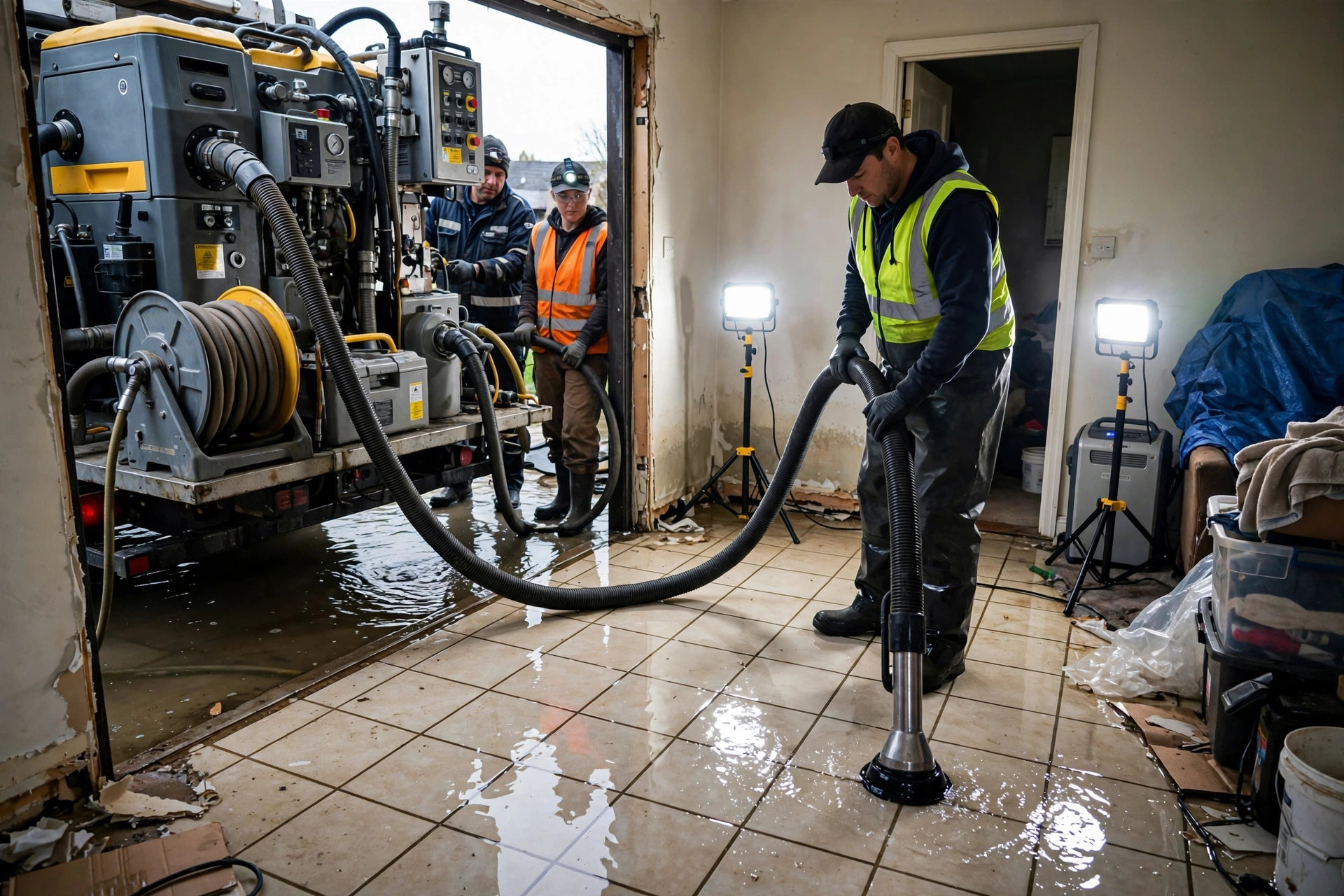
Water extraction services focus on the fast removal of standing water from your home or business. When pipes burst, appliances leak, or storms flood your basement, water sits on floors and soaks into everything it touches. Professional water extraction services use truck-mounted pumps, portable extractors, and industrial wet vacuums to pull that water out in hours instead of days.
Water extraction is the first phase of water damage restoration. After extraction, the same team usually handles drying, dehumidification, and repairs. Many water damage companies list water extraction services as their emergency offering because speed matters so much at this stage.
When Do You Need Water Extraction Services?
Call for water extraction services right away when you have:
- Standing water in any room, basement, garage, or crawl space
- A flooded basement after heavy rain or storms
- A burst pipe or broken water heater leaking across floors
- An overflowing washing machine, dishwasher, or toilet
- Water spreading under walls or into adjacent rooms
Do not wait to see if the water dries on its own. It will not. Water soaks deeper every hour, and mold can start growing within 24 to 48 hours. Fast water extraction services stop that clock.
How Water Extraction Services Work: Step by Step
Here is what happens when you call for water extraction services:
1. Emergency Call and Dispatch
You describe the situation by phone. The company asks about the water source, affected rooms, and whether the water looks clean or dirty. A crew is dispatched, often within one to two hours for emergencies.
2. Inspection and Water Assessment
Technicians arrive and inspect every affected area. They check how deep the water is, what type of water it is (clean, gray, or black), and whether it has reached walls, subfloors, or insulation. Moisture meters find hidden wet spots you cannot see.
3. Water Removal
This is the core of water extraction services. Crews use truck-mounted extractors for large volumes of standing water, portable extraction units for tight spaces like closets and crawl spaces, weighted extraction tools that press water out of carpets and padding, and sump pumps for flooded basements with deep water. A good crew can remove thousands of gallons in a single visit.
4. Drying and Dehumidification
Once the standing water is gone, industrial air movers and commercial dehumidifiers dry what remains. This phase takes several days. Technicians return to check moisture readings until everything reads normal.
5. Cleaning, Sanitizing, and Repairs
Wet surfaces get cleaned and disinfected. Damaged drywall, flooring, or baseboards get removed and replaced. The goal is to return your home to its pre-damage condition.
How Much Do Water Extraction Services Cost?
In the United States, water extraction services typically cost 300 to 800 dollars for small jobs (one room, clean water, fast response), 800 to 2,500 dollars for medium jobs (several rooms or a basement, gray water), and 2,500 dollars and up for large jobs (whole floors, sewage or flood water).
What drives the price: volume of water, type of water (clean costs least, black water costs most), affected materials, emergency timing (nights and weekends can add a fee), and drying time. Always get a written estimate before work starts. Reputable water extraction services explain every charge.
Water Extraction Services vs. Water Damage Restoration
People often mix these up. Water extraction services remove the water. Water damage restoration is the full job: extraction plus drying, cleaning, mold prevention, and rebuilding damaged areas. Most companies that offer water extraction services also offer full restoration. If your damage goes beyond surface water, ask for the complete restoration plan, not just extraction.
DIY Water Extraction: What You Can and Cannot Do
For a small spill on a hard floor, towels and a wet vacuum work fine. But call professional water extraction services when water covers more than a small area, water has been sitting for more than a few hours, the water came from sewage, storms, or an unknown source, carpets, padding, drywall, or insulation got wet, or you smell mustiness or see discoloration. Homeowner equipment cannot match professional extractors. A rented carpet cleaner pulls surface water but leaves deep moisture that turns into mold weeks later.
How to Choose Water Extraction Services Near You
Look for speed (one to two hours for emergencies), IICRC-certified technicians, proper equipment (truck-mounted extractors and commercial dehumidifiers, not just shop vacuums), help with insurance claims, recent local reviews, and written pricing with everything in writing before work begins.
Will Insurance Cover Water Extraction Services?
Often yes. Homeowners insurance usually covers sudden water damage from burst pipes, appliance failures, and similar accidents. It does not cover gradual leaks, poor maintenance, or floods without separate flood insurance. Call your insurer as soon as you discover the damage, and let the extraction crew document everything with photos and moisture readings.
Frequently Asked Questions
How long do water extraction services take? The extraction itself usually takes a few hours. Drying takes three to five days after that.
Can water extraction save my carpet? Sometimes. Clean water on carpet can often be extracted and dried successfully. Sewage or long-soaked carpet usually must be replaced, along with the padding underneath.
Do I need to leave my home during water extraction? Usually not for clean water jobs. For sewage or heavy mold, the crew may recommend staying elsewhere until cleaning is done.
What happens if water sits too long before extraction? Damage spreads into subfloors and walls, mold grows, and repair costs climb fast. Every day of delay makes the job bigger and more expensive.
Final Thoughts
Water extraction services are the emergency first response your home needs when water invades. Fast professional extraction stops damage from spreading, prevents mold, and keeps repair costs down. Choose certified water extraction services with quick response times, proper equipment, and clear written pricing, and call the moment you see standing water.